

Key Moments
Upgrade because device lag directly delays business
I’m replacing my current phone because performance issues (media loading, battery life, charging speed, responsiveness) interrupt my AI + content workflow, and that friction is what drives the decision.OPPO Find X10 Pro Max: Open Gate for reframing without capture boxing
Open Gate is the standout feature for my creator workflow because it captures a fuller sensor image so I can turn one recording into multiple formats (horizontal and vertical) more flexibly.Shortlist revolves around batteries, imaging systems, and creator accessories
Across OPPO, vivo, HONOR, and Xiaomi, the recurring “yes” signals are big battery capacity, ambitious imaging (including optional teleconverter-style accessory ecosystems), and video/color workflows (e.g., ARRI/LogC3).Before buying: verify ROM, real model specs, and carrier support
I’m waiting for global versions, and I’ll confirm the exact global configuration, Google services behavior, band support, and VoLTE/eSIM/roaming—plus retailer shipping/customs realities—before committing.Digipreneur Network • The 2027 device reset
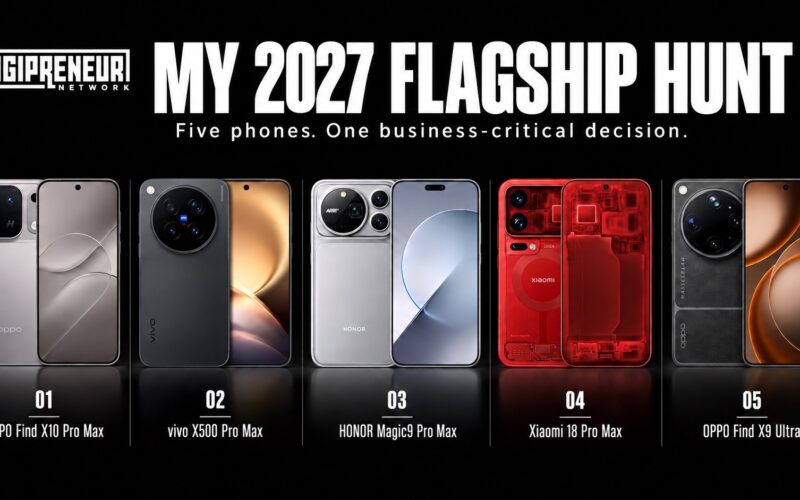
Five flagship phones. One business that needs more from its tools. Here’s what I’m looking at, why Chinese brands have my attention, and why OPPO is currently winning my money.
My Pixel 9 Pro XL still takes amazing photos and videos. I can appreciate that and still admit that it is no longer keeping up with the way I work.
Loading images and video has become frustrating. The battery runs out too quickly for my usage, and charging feels painfully slow when I look at what other flagship phones are offering. I’m doing more with AI, creating more, and asking more of the device I carry everywhere. Those little delays have become interruptions to my business.
So, yes, my 2027 flagship smartphone hunt is underway. And if you remember my Droid Island days, you already know that this is dangerous territory for me. Give me a few ambitious Chinese flagships, some outrageous camera accessories and a transparent-red phone, and suddenly I have a shortlist.
This hunt is also a good introduction to the technology coverage I want to bring to Digipreneur Network: the tools I’m considering, what I need them to do, and how I decide whether they deserve a place in my business.
When your phone slows down, your work feels it
My phone and computer are the two key instruments in my digital business. They are where I communicate, create, research and get work moving. I need them sized for the work I actually do.
My current mix includes ChatGPT, Claude, Gemini, DeepSeek and other AI tools, with AI agents becoming part of what I want to explore next. Add the photographs, video, files and everyday business activity, and I’m asking for much more than a device that can scroll social media nicely.
Waiting for media to load costs me time. Whatever the precise mix of hardware, software and workload behind those delays, the combination of battery life, charging and responsiveness no longer fits my day.
If the tools lag,
Keron Rose • The reason for the upgrade
the business lags.
That is how I evaluate the purchase. A phone is critical business infrastructure. I’m willing to spend on a tool that removes recurring friction, particularly when I use it throughout the day. The cheapest option can become expensive if I keep working around its limitations.
Chinese smartphone makers have made this exciting again
What has pulled me back in is the willingness to experiment. OPPO, vivo, HONOR, Xiaomi and Huawei are pushing at several parts of the phone at once: battery chemistry, charging, imaging, accessories, software, physical design and the way devices work together.
Look at the range of ideas in this shortlist. OPPO is putting Open Gate video into the conversation. vivo is building an ambitious ZEISS camera system and teleconverter ecosystem. HONOR is bringing ARRI image science into a phone. Xiaomi is giving the back of the device another job with a rear display. These are different answers to what a flagship can become.
Bigger batteries and more ambitious cameras
Batteries are a huge part of the attraction. HONOR’s China model advertises an 8,800mAh battery using silicon-carbon technology. That is the kind of change I care about when my working day keeps going long after a smaller battery has become a problem. Capacity alone cannot tell us real endurance, and charging wattage is a peak capability rather than a constant speed. Both still give us useful reasons to investigate.
The camera accessories are equally interesting. An optional teleconverter changes the optical reach of a compatible camera; it is more involved than tapping a digital zoom button. The trade-off is carrying another piece of equipment. For somebody who creates content for a living, that can be a worthwhile choice.
My view is that Chinese manufacturers are driving much of the experimentation that makes the current smartphone market worth watching. I want to see what those ideas enable in practice: fewer battery interruptions, more useful footage, better framing and more flexibility when I’m away from my desk.
How to read this shortlist
This is my buying research, not a hands-on review of all five devices. The highlighted numbers are published manufacturer specifications or clearly identified Giztop listings. They are not independent performance results. Unless a card says “Global version,” treat its hardware figures as China-model information. Accessories can cost extra.
My 2027 flagship smartphone shortlist
I could be happy with any of these. OPPO has the clearest lead, but the reasons behind that lead are more useful than a generic ranking.
The creator’s choice
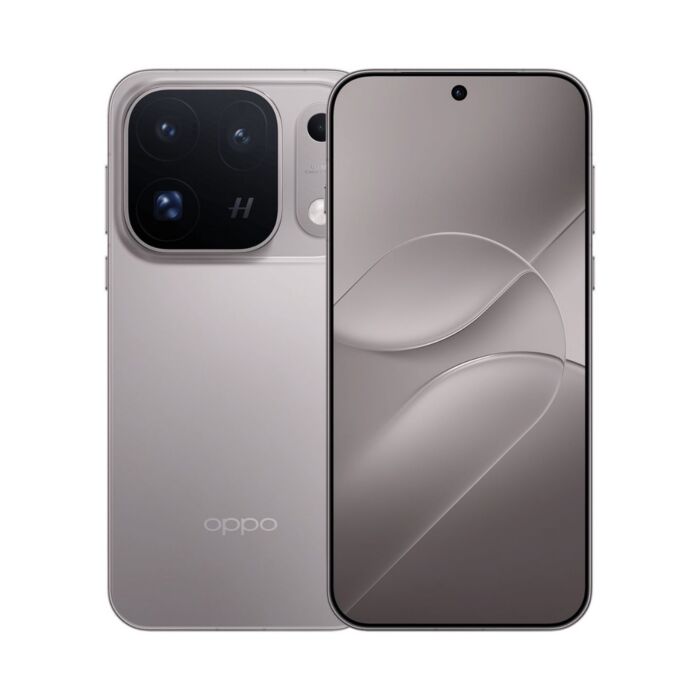
OPPO Find X10 Pro Max
Open Gate is the feature that could remove the most friction from my content workflow. ColorOS, the design and OPPO’s wider ecosystem make the case even stronger.
China-model highlights. Final global hardware and regional features need their own specification check. OPPO China product details.
Why Open Gate has me almost sold
Open Gate is the feature that speaks most directly to how I need to create content. OPPO describes capturing a fuller sensor image so the footage can be reframed for different formats. In practical terms, I want more freedom to turn one planned recording into a horizontal video and a vertical cut without boxing myself in at capture.
That does not mean every shot automatically becomes perfect in every format. I still need to compose with those crops in mind. But the flexibility is valuable enough that it has pushed the Find X10 Pro Max to number one.
There is more to my preference than the camera. I’m coming from a Pixel and a OnePlus Pad 2. I like OPPO’s design language, ColorOS and the in-store experience here in Thailand. I’m also interested in a high-end OPPO tablet. The wider experience makes the phone more appealing to me.
OPPO’s China specification sheet includes configurations up to 16GB of RAM and 1TB of storage, while OPPO’s global announcement confirms the Dimensity 9600 Pro platform. I’m waiting for the exact global configuration and local offer I can actually buy. I’m not treating a leaked global battery or price as a settled specification.
Reach further
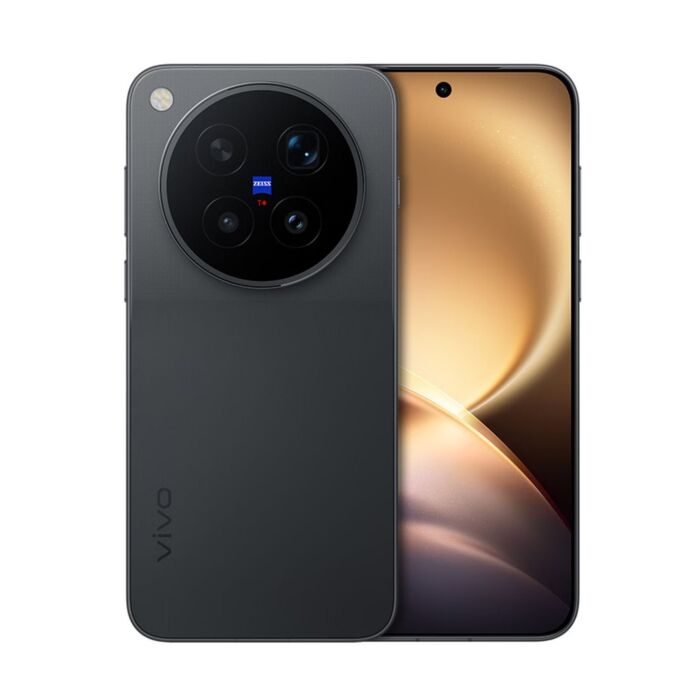
vivo X500 Pro Max
A serious alternative for the days when I want battery headroom, ambitious imaging and the flexibility to build a more capable mobile camera kit.
Manufacturer-published China specifications. Teleconverter is an optional accessory, not the phone’s built-in focal length. vivo China launch details.
The alternative I would take seriously for imaging
vivo gives me plenty to think about. Its published package combines a large battery, a flagship platform and a camera system built around serious photographic ambition. The optional teleconverter is particularly interesting for subjects I cannot simply walk closer to.
For me, the buying test would be how comfortably the global version handles a whole day of business, shooting and AI tools, then how its footage fits my editing process. A strong camera specification earns attention. Consistent results and a comfortable workflow earn the purchase.
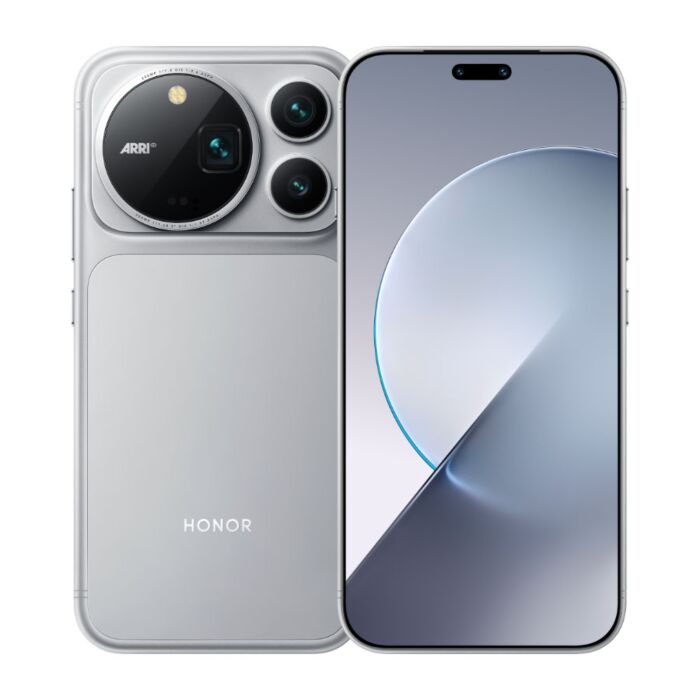
Big battery. Cinema ambition.
HONOR Magic9 Pro Max
HONOR has my attention because the battery and ARRI collaboration address two things I care about every day: staying powered and creating better content.
China-model highlights; battery capacity is listed on HONOR’s China product page. ARRI branding is not a substitute for testing the footage. HONOR launch announcement.
ARRI makes this one worth watching closely
HONOR’s collaboration with ARRI catches my attention because colour and the video workflow matter after the recording stops. Its launch announcement describes selected ARRI image science and LogC3 support. That gives me a concrete reason to look at footage and editing compatibility, beyond the branding.
The battery is another major draw. If the eventual global package gets the balance right, this could be the phone that makes me stop and reconsider OPPO. I would want to see sustained performance and real video results before making that call.
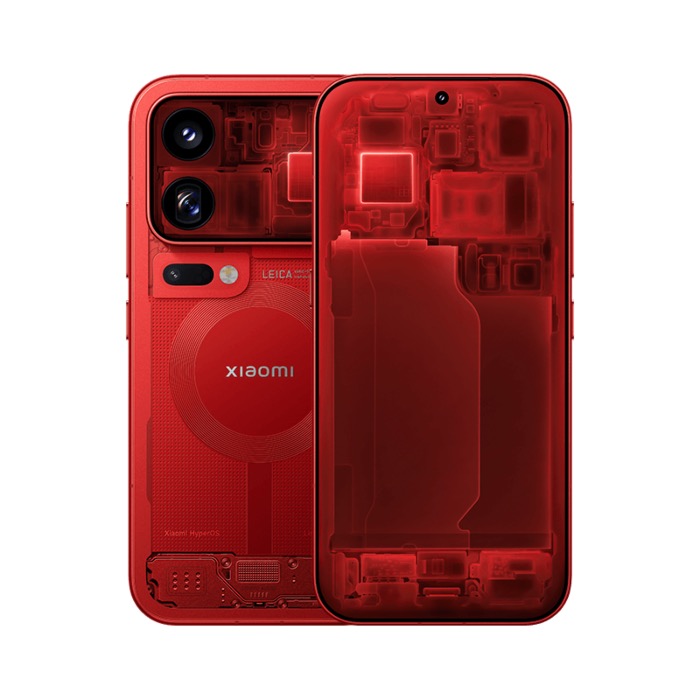
A different point of view
Xiaomi 18 Pro Max
The rear display makes me curious. The transparent-red design makes me want to pick it up. Xiaomi is giving me both practical features and a reason to be excited about the object itself.
Specifications listed by Giztop. Transparent Edition pictured; the main button opens the standard model. Edition and colour availability vary. Giztop Transparent Edition listing.
Yes, the transparent red has my attention
I’ll be honest: the transparent-red Xiaomi is the design that made me stop scrolling. To my eyes, it is one of the best-looking phones in this whole conversation. Giztop has a separate Transparent Edition listing, and that is the version pictured above.
The rear screen is the feature that makes me curious about using it. I want to know whether that extra display becomes useful enough to change how I shoot or interact with the phone, and whether its software support carries through to the version I would buy.
Design matters when you use something all day. So does the broader package. Xiaomi has earned its place here by making the hardware feel interesting again, with enough battery and camera ambition to keep the conversation going after the first look.
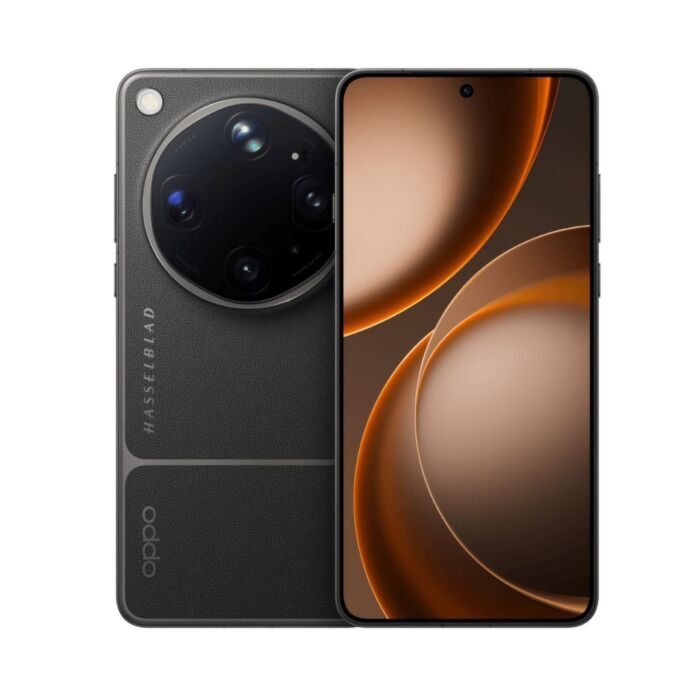
A serious safety net
OPPO Find X9 Ultra
If the newer global models disappoint on the combination of features, availability and value, the Ultra remains a compelling route into the OPPO experience I already like.
Giztop identifies this as the UK/EU global version. Confirm the exact variant, warranty and network support for your destination. Giztop global specification listing.
Why an Ultra can still be the backup
The Find X9 Ultra is the fallback because I want to see what the newer generation delivers before spending. That position reflects the timing of my purchase. It is still a substantial phone, and the global listing provides a more concrete option while I wait.
If the newer models miss on their global configurations, availability or launch value, I would rather buy a device that fits my work than keep waiting indefinitely for the perfect specification sheet. The X9 Ultra keeps that option open.
What would actually change my mind?
At this point, I’m pretty sold on OPPO. Open Gate alone has done a lot of the work. To pull me away, another brand would need an exceptional launch offer, substantial savings and a package that still fits my needs. OPPO’s own offer would also have to leave me disappointed.
I’m comparing the complete purchase: the exact memory and storage option, battery, software, local support, accessories I would genuinely use and the amount I actually pay. A gift only adds value if it is something I wanted. A promised cashback only belongs in my budget if I qualify and can meet the conditions.
| Device | What pulls me in | What I’m deciding |
|---|---|---|
| OPPO Find X10 Pro Max | Open Gate + OPPO ecosystem | Final global configuration and launch value |
| vivo X500 Pro Max | ZEISS imaging + battery headroom | Global package and everyday camera workflow |
| HONOR Magic9 Pro Max | ARRI collaboration + large battery | Video results and global specifications |
| Xiaomi 18 Pro Max | Rear display + transparent-red design | Global software, edition availability and value |
| OPPO Find X9 Ultra | A compelling global fallback | Whether waiting for the newer generation pays off |
Huawei belongs in the innovation conversation
Huawei is not one of my five primary candidates, but I cannot talk about Chinese smartphone experimentation and leave it out.
The new Mate 90 camera direction is exactly the kind of thing that gets me excited. Huawei’s own Mate 90 information describes an expandable Ruiying Z10 modular camera system. Alongside ideas such as the Mate XT’s tri-fold form factor, it shows a willingness to rethink what the hardware can become.

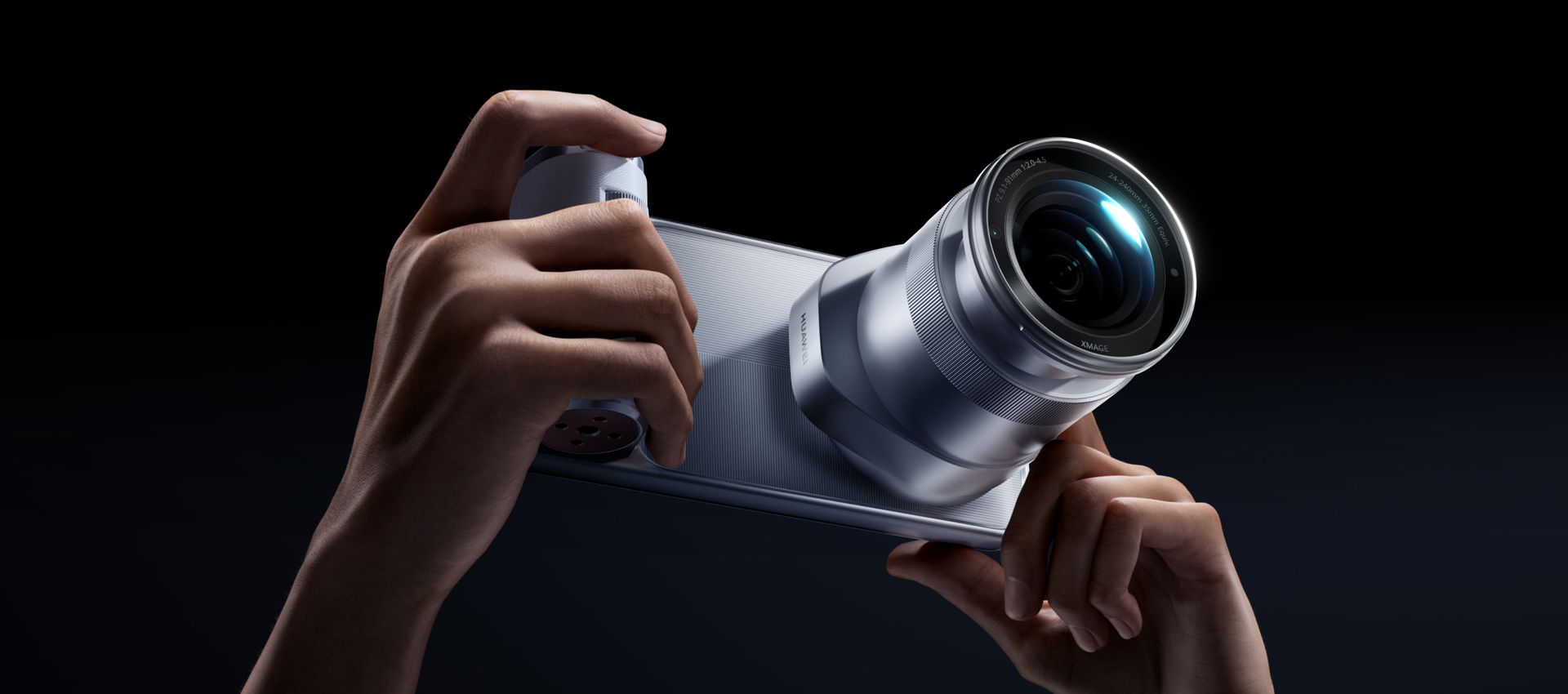
Official Huawei imagery. Huawei specifies the Collector’s Edition for Z10 photo and video functions; the camera module is sold separately.
My admiration goes further than the cameras. From what I’ve seen of Huawei and HarmonyOS in China, I personally find that ecosystem more compelling than Apple’s. That is my view of the experience and direction, rather than a universal score for every user or market.
I’ll go further: if Huawei gave me the native Google services I need while retaining the HarmonyOS experience that interests me, it would be extremely hard for me to look past it. My working life still depends on those Google services, so it is not the right primary phone for me today.
In 2027, I plan to explore Huawei as a second device. That gives me room to experience the ecosystem without making my main business phone the testing ground for every app and service I depend on.
China ROM or global ROM: understand the version you’re buying
I am personally waiting for global versions of the newer phones on this list. That is the buying route I want for my own combination of apps, travel and business use. The buttons above link to the China-ROM listings currently available on Giztop, except for the Find X9 Ultra button, which links to its global listing.
“ROM” in this context refers to the phone’s regional software build. A China ROM is configured for the mainland Chinese market, including its services, languages and local integrations. A global ROM is configured for international markets, usually with a different service mix. Neither label tells you everything about the physical phone.
A Chinese edition can be a viable purchase. Giztop says the four China editions linked here support Google Mobile Services, the Play Store and over-the-air updates. Its Xiaomi listing specifies English and Chinese. Those are retailer statements about the products it sells; they do not establish that every Google feature, car integration, banking app or notification behaves identically to a global model.
The software and hardware checks I would make
Before buying, confirm the features you actually use: Android Auto, Google Wallet and banking apps, background notifications, language support, eSIM, warranty arrangements and update support. Ask about the exact model number and whether the installed software is the original manufacturer build. A “global ROM” description should not be assumed to mean an official global hardware model, or a guarantee that you can safely convert a China model later.
Chinese editions can sometimes have more generous hardware options than their international counterparts. A larger battery or a higher RAM/storage configuration may make one appealing. But changing the software does not change the battery, radio hardware or available storage. Compare the final regional specification sheets before deciding that one is better equipped.
My waiting list is not a launch guarantee.
I want to compare the global editions, but their market availability, colours, memory options, features and pricing need confirmation individually. I am leaving leaked global battery capacities and unconfirmed configurations out of the comparison figures above.
Caribbean compatibility needs a model-by-model check
I would not tell you that every one of these phones works without issues on every Caribbean carrier. There are too many combinations of islands, networks, model numbers and carrier features for that promise to be useful.
Start with the exact phone variant’s LTE and 5G bands and your carrier’s supported bands. Then confirm VoLTE, Wi-Fi calling, eSIM and roaming support where you need them. Having overlapping bands is only part of the check. For example, Digicel Barbados explains that some devices may not connect to its 5G service until the manufacturer enables support.
Send the model number to your local carrier and ask Giztop to confirm the version it will ship. My history of importing phones is useful experience, but your island and your network still deserve their own check.
Buying from Giztop: my DHL and skybox experience
I’ve been ordering from Giztop for years. That is why I’m linking the devices there: it is a retailer I have personally used over a long period.
My experience has included DHL delivery directly to my door in the Caribbean, with shipping around US$40. Giztop advertises worldwide shipping and lists DHL among its express delivery options. Treat my shipping figure as a reference from my experience, and confirm the current courier, address coverage, delivery estimate and price at checkout for your island.
For my direct DHL-to-door phone deliveries, I did not have to pay customs charges. When I sent a phone through my skybox and the forwarder brought it in, I did have to pay customs fees. That experience is why my first choice would be to check direct delivery to my actual address instead of automatically routing it through a skybox.
That is my experience, not a customs exemption.
Direct DHL delivery does not guarantee a tax-free import. Giztop’s customs policy says buyers are responsible for applicable local charges and that prices exclude import duties and taxes. Budget using the rules and charges that apply to your destination, including any courier or forwarding fees.
Why I’m thinking about a 2027 device reset
The bigger picture extends to my computer. I have the late-2023 14-inch MacBook Pro with the M3 Pro chip. I’m already thinking about what comes next, whether that becomes a future M6 Pro or Max machine or even a Mac Studio. Those names describe the future generation I’m watching, not confirmed specifications or a promise of when I can buy it.
My view is that people whose businesses rely heavily on their devices should seriously reassess them going into 2027. AI tools, agents, content production, smart glasses and connected devices are changing the work we want our hardware to handle. I want to buy with enough room for where my work is going.
AI acceleration was already part of the devices we bought before this generation. Google built the Pixel 9 family’s Tensor G4 around AI capabilities, and Apple’s M3 family already included a Neural Engine for machine-learning workloads. My current devices were not strangers to AI when they launched.
Buy for the work you need to do
The useful question is whether the whole system has enough capacity for the way I now work. That includes memory, storage, sustained processing, battery, cooling, connectivity and the software that can actually use the hardware. A new chip’s marketing label alone cannot answer it.
It also matters where the AI runs. A cloud-based assistant can do much of its heavy processing remotely; buying a faster phone will not make the provider’s servers respond faster. Local models, media processing and running several demanding tasks together put different pressure on the device. I need to match the upgrade to those real workloads.
I believe an upgrade deserves serious consideration in 2027, especially if your phone and computer are the foundation of your income. That is my opinion about planning ahead, not a claim that every working device expires at New Year. If your tools handle your work comfortably, keep measuring what you need. If they repeatedly interrupt it, put a value on that friction.
Back in the device conversation
This is the tech coverage I want to build
Digipreneur Network gives me a place to bring that Droid Island curiosity into the work I do today. I want to talk about phones, computers, tablets, AI devices and the systems connecting them, through the perspective of someone whose livelihood depends on getting useful work out of them.
You’ll see what I’m considering, why I’m buying, what removes friction and what opens up possibilities for a digital business. Sometimes that will mean getting excited about a camera mode. Sometimes it will mean admitting that a beautiful device does not fit the software I need.
Right now, the Find X10 Pro Max leads my 2027 flagship smartphone hunt. Open Gate has me sold on the possibility, and the OPPO experience already appeals to me. The final global package and the competing launch offers will decide whether that preference turns into a purchase.
My business has outgrown my phone. Now I’m choosing the tool that can grow with the work.
Editorial notes: Product information checked on 5 October 2026. Manufacturer claims and retailer listings are linked beside the relevant discussion. Typical battery capacities and advertised maximum charging rates are not independent endurance or charging tests. Product photographs are sourced from the linked Giztop listings and Huawei’s official product page; the featured image is an AI-assisted editorial composition based on those five product images.